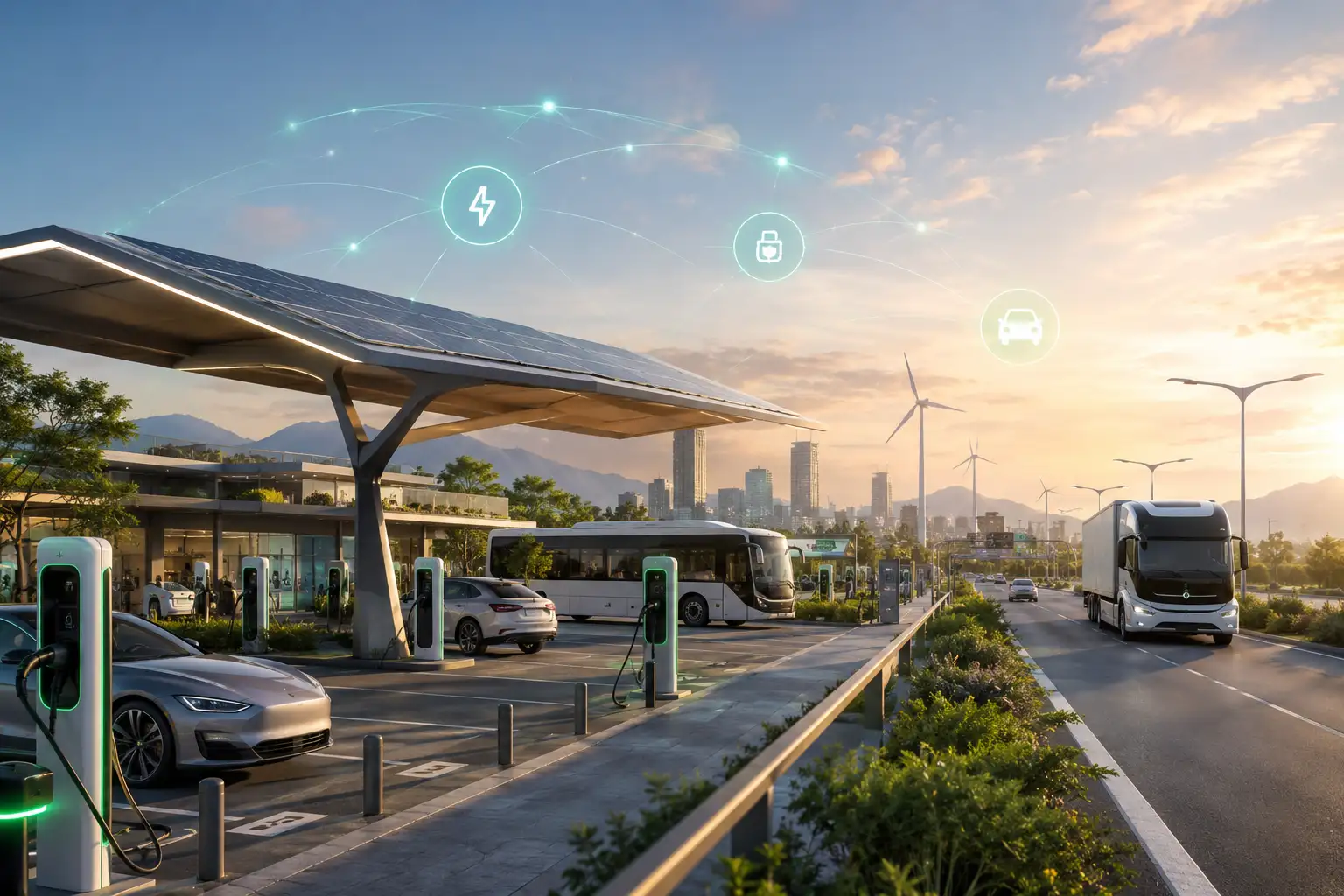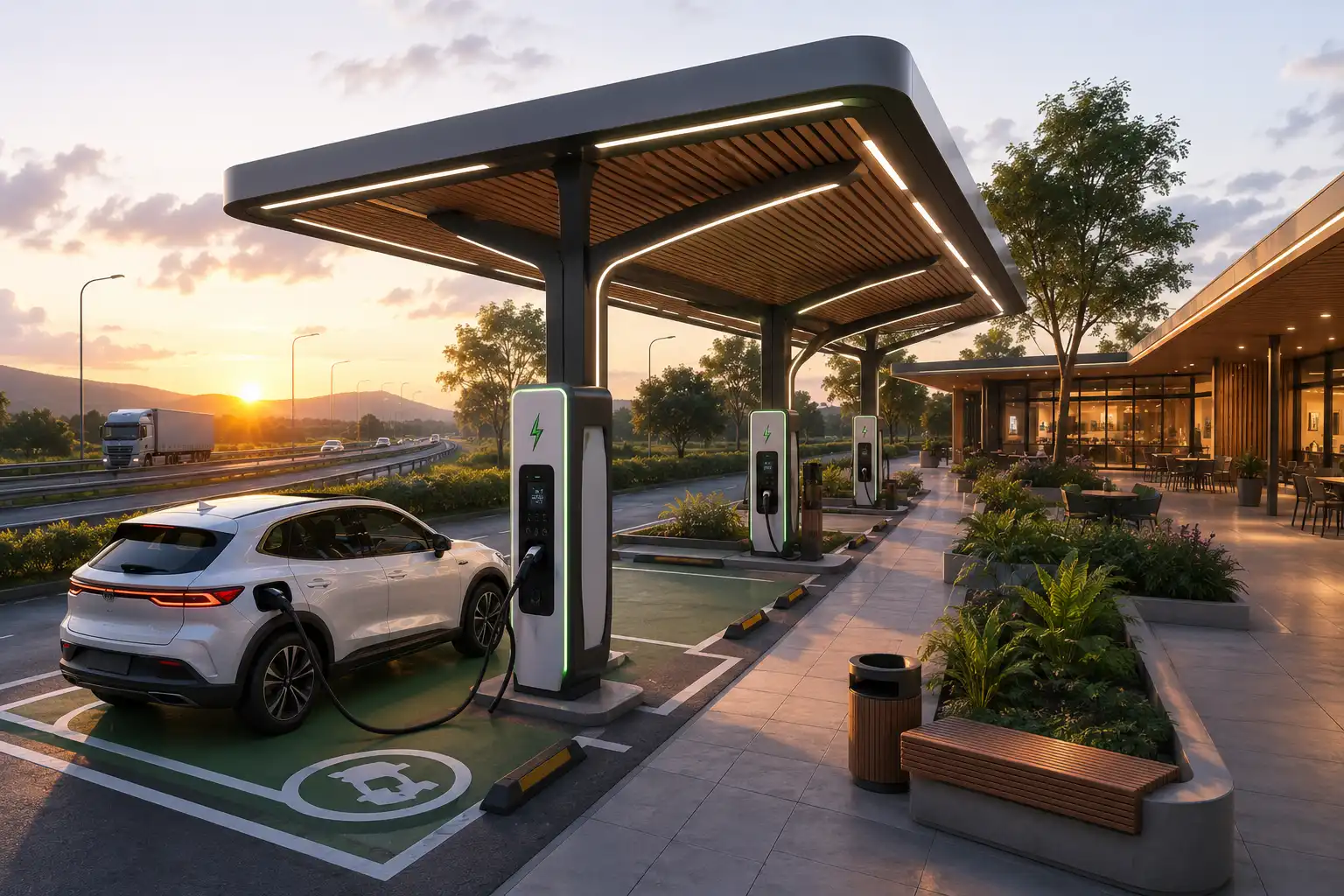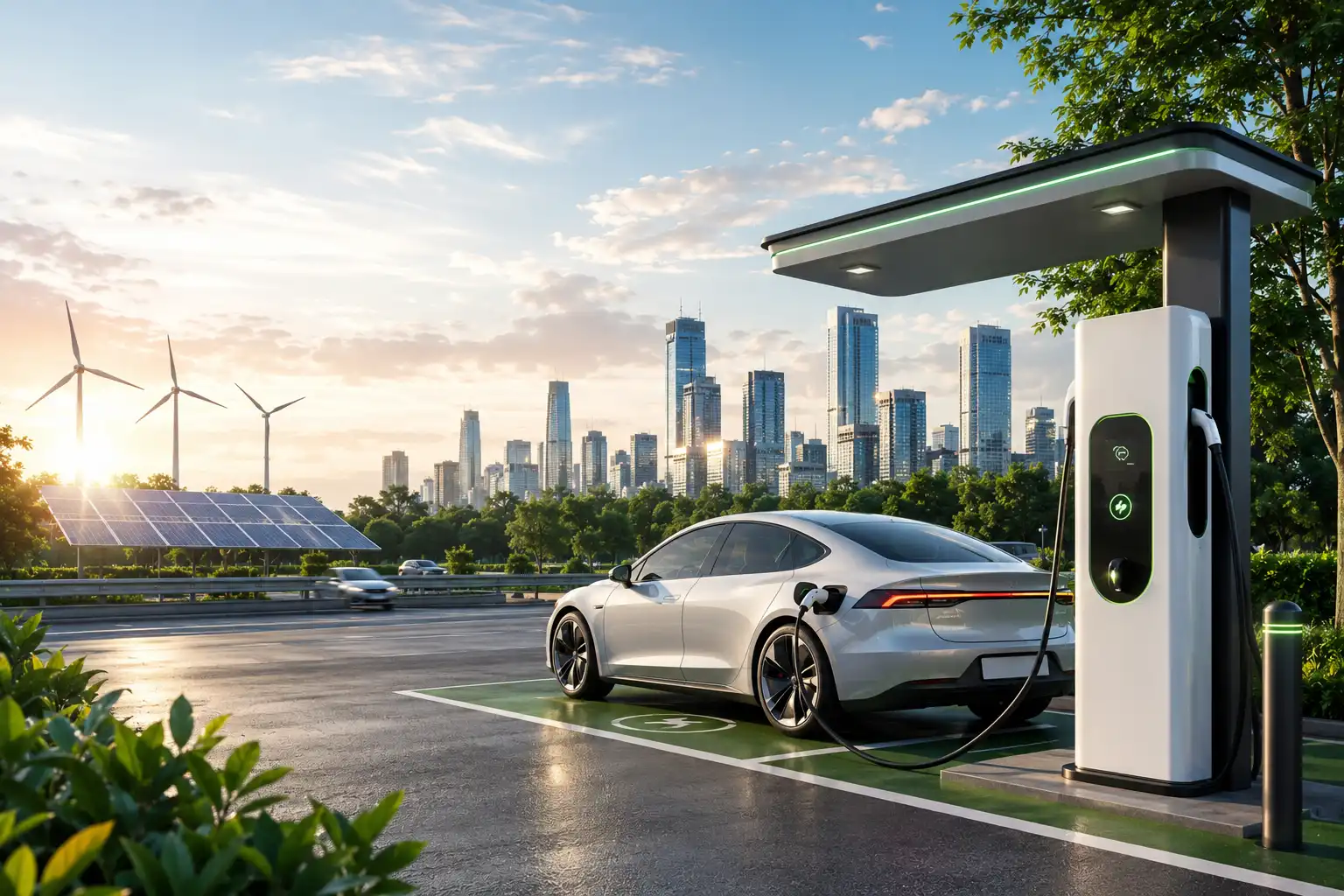

India’s transition towards electric mobility is moving faster than ever. Electric cars are becoming more common, while electric buses, trucks, three-wheelers and commercial fleets are also entering the market. As the number of EVs grows, one requirement becomes increasingly important reliable and accessible EV charging infrastructure.
But building a successful EV charging network is not simply about installing more chargers. The real challenge is making sure that the right charger is installed at the right location, with the right infrastructure and the right operational support.
Why EV Charging Infrastructure Matters
For an EV owner, charging needs to be convenient, accessible and reliable. A driver should be able to find a suitable charging station when needed, whether they are travelling within a city or covering hundreds of kilometres on a highway.
For businesses, however, the requirements are different. Hotels, shopping malls, restaurants, fuel stations, offices, commercial properties and highway locations can use EV charging infrastructure to add a new service to their existing property.
For fleet operators, charging becomes even more important. Electric delivery vehicles, buses and trucks need charging infrastructure that fits into their daily operating schedules and minimises unnecessary downtime.
This means that one charging model cannot work everywhere.
The Right Location Comes First
One of the most important factors in an EV charging project is location.
A high-powered charger installed at a location with very little demand may not perform as expected. On the other hand, a strategically selected location with strong traffic and EV demand can become a valuable charging destination.
Before developing an EV charging station, factors such as traffic movement, vehicle type, charging demand, accessibility, nearby competition, parking availability and electricity infrastructure need to be considered.
This is why site identification and feasibility assessment should come before deciding which charger to install.
AC Charging, DC Fast Charging and Fleet Charging
Different EV users have different charging requirements.
AC charging can be suitable for locations where vehicles remain parked for longer periods, such as offices, hotels, residential buildings and commercial properties.
DC fast charging, on the other hand, is more suitable where vehicles need to get back on the road quickly. Highways, fleet operations, commercial vehicles and high-traffic locations can benefit from faster charging solutions.
For fleet operators, the focus goes beyond charging speed. They need to consider vehicle utilisation, charging schedules, operating hours, energy requirements and uptime.
This is why EV fleet charging solutions need to be planned around how the vehicles actually operate.
EV Charging Is More Than Hardware
A charger is only one part of a complete charging infrastructure project.
A successful project can involve:
- Site identification and feasibility
- Demand and traffic assessment
- Civil and electrical engineering
- Power and DISCOM coordination
- Charger selection and installation
- Software and payment integration
- Commissioning
- Monitoring
- Operations and maintenance
If any of these areas are poorly planned, the overall charging experience can suffer.
This is where an end-to-end EV infrastructure partner becomes valuable.
The TSA Approach
The Sustainer Alliance (TSA) has evolved beyond the traditional EV charger supplier model.
TSA works with entrepreneurs, commercial property owners, highway landowners, hotels, fuel stations, fleet operators and institutional partners to develop complete EV charging infrastructure solutions.
The approach starts with understanding the location and its potential rather than simply deciding which charger to install.
From site identification and demand assessment to engineering, installation, commissioning and long-term operations, TSA supports the complete project lifecycle.
The objective is simple: build charging infrastructure that is practical, reliable and capable of growing with EV adoption.
The Future of EV Charging in India
The next phase of India’s EV growth will require a charging network that can support different types of users from individual car owners to electric buses, trucks and large commercial fleets.
The industry will increasingly move towards strategically located DC fast charging stations, fleet charging hubs, highway charging networks and commercial charging destinations.
The question is no longer simply:
“How many EV chargers can we install?”
The more important question is:
“Can we build charging infrastructure that people can actually depend on?”
India’s electric mobility future will depend on the strength of this infrastructure.
At The Sustainer, the focus is on helping build a more connected, reliable and future-ready EV charging infrastructure network across India.
The future of mobility is electric. The infrastructure needs to be ready for it.