
How TSA Is Building the Next Generation of EV Infrastructure in India
India’s electric mobility landscape is changing rapidly. Electric cars are becoming more common, while electric buses, trucks, delivery vehicles, and commercial fleets are also entering the market. As this transition grows, the need for reliable EV charging infrastructure in India is becoming just as important as the vehicles themselves.
However, building EV infrastructure is not simply about installing a charger. A successful charging station needs the right location, adequate power, easy accessibility, suitable charging capacity, and reliable operations. A charger placed in the wrong location can remain underutilised, while a well-planned site can become a valuable charging destination for years.
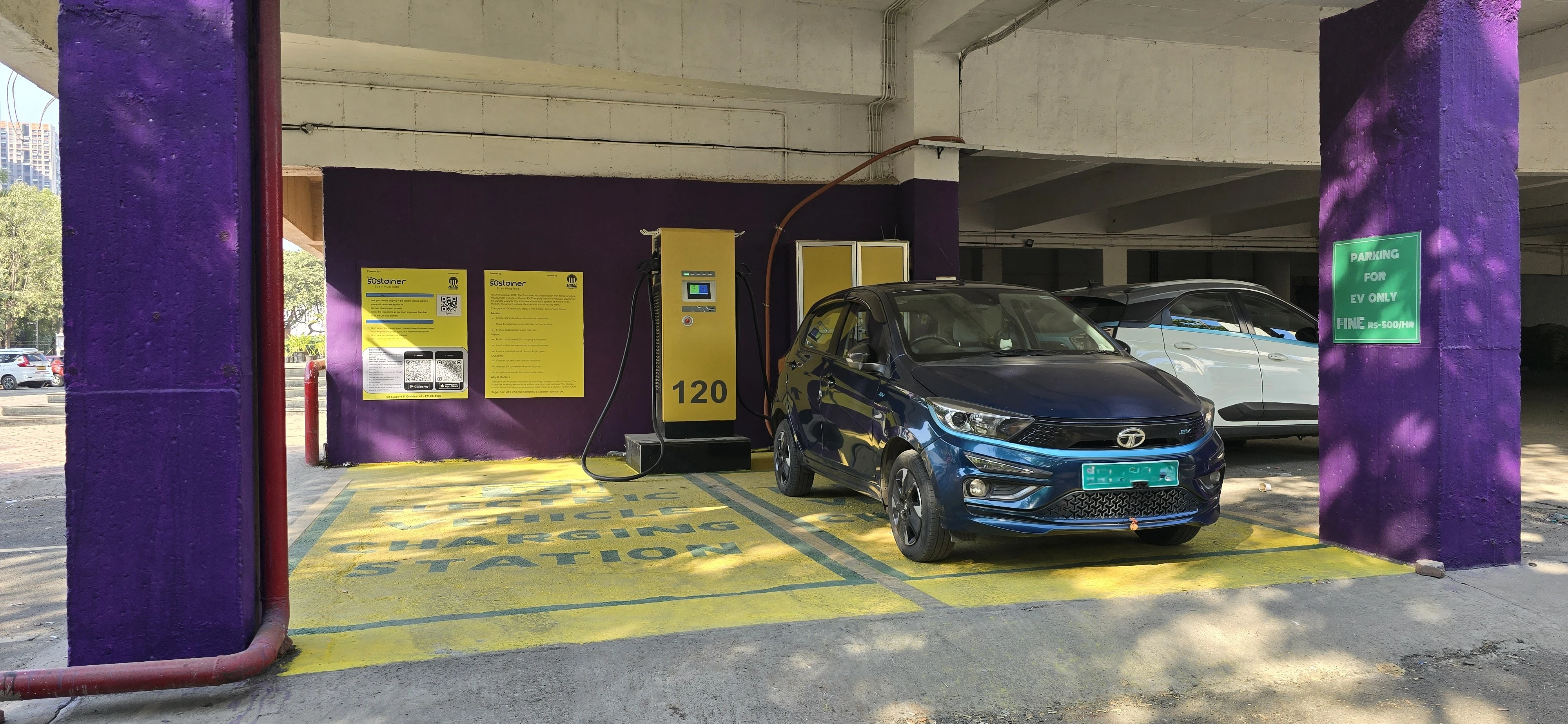
This is where The Sustainer Alliance (TSA) takes a different approach. Instead of looking at a charging station as a standalone product, TSA looks at the complete infrastructure requirement. The process can begin with understanding the location, traffic movement, EV demand, and power availability, followed by feasibility, engineering, installation, commissioning, and long-term support.
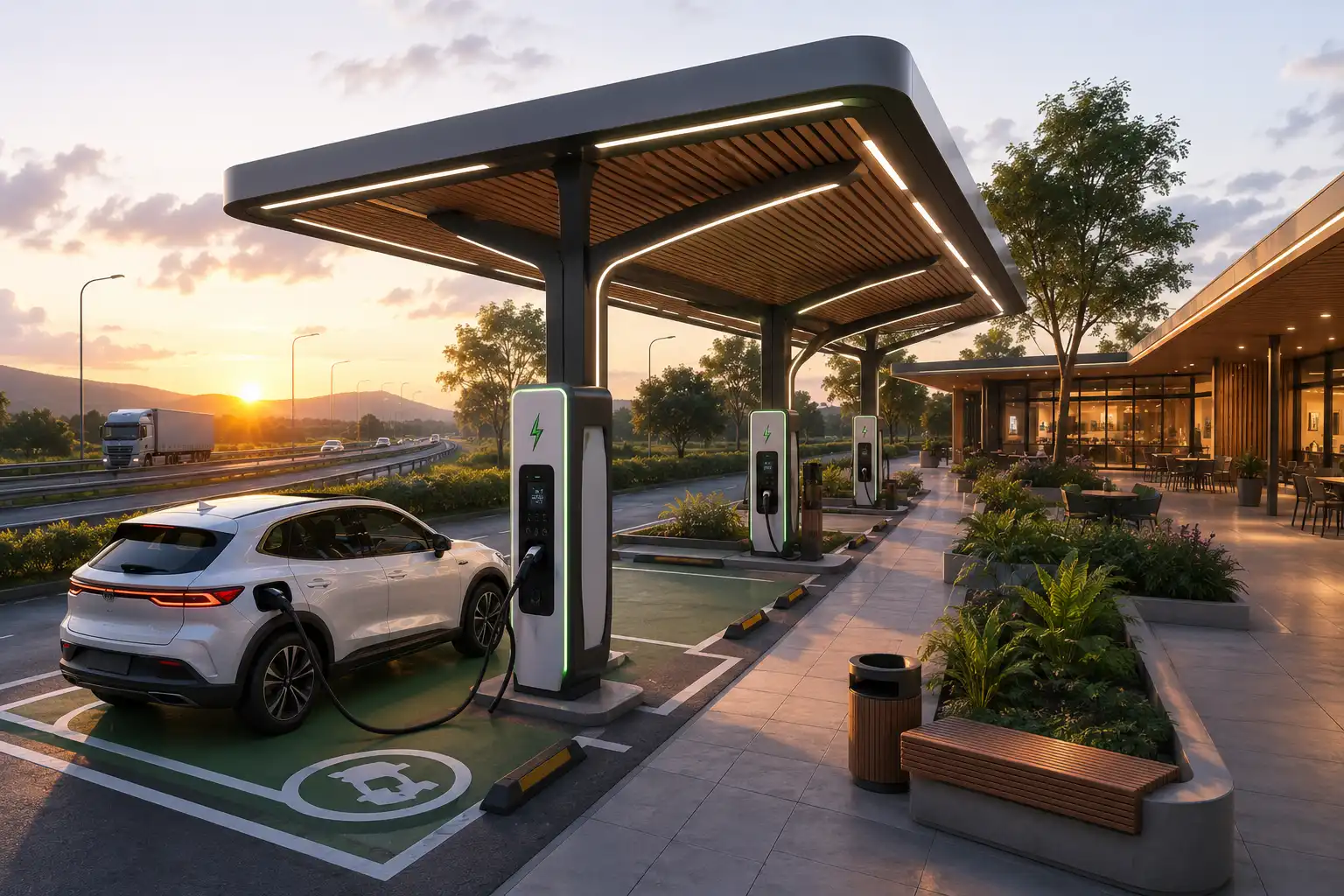
Location plays a major role in charging infrastructure. A highway charging station has different requirements from a charging point at a hotel, shopping mall or office. Similarly, a fleet operator may require fast and predictable charging to keep vehicles on the road. TSA plans infrastructure around these practical differences rather than using the same solution everywhere.
Another important part of the future is scalability. EV adoption will continue to grow, and charging demand at today’s locations may look very different a few years from now. Infrastructure therefore needs to be planned with future capacity, additional chargers and changing vehicle requirements in mind.
For commercial properties and landowners, EV charging also creates a new opportunity. Hotels, restaurants, malls, fuel stations and highway properties can transform existing spaces into useful charging destinations. Instead of simply occupying land, these locations can become part of India’s growing electric mobility network.
The same applies to commercial fleets. For a fleet operator, a vehicle is a working asset. Charging delays can affect daily operations and revenue. This makes fleet charging infrastructure much more than a convenience it becomes part of the operational backbone of the business.
What makes TSA different is its end-to-end approach. The focus is not only on which charger to install, but on understanding what the location and its users actually need. From site evaluation and infrastructure planning to deployment and ongoing operations, TSA works towards creating charging solutions that are practical, reliable and capable of growing.
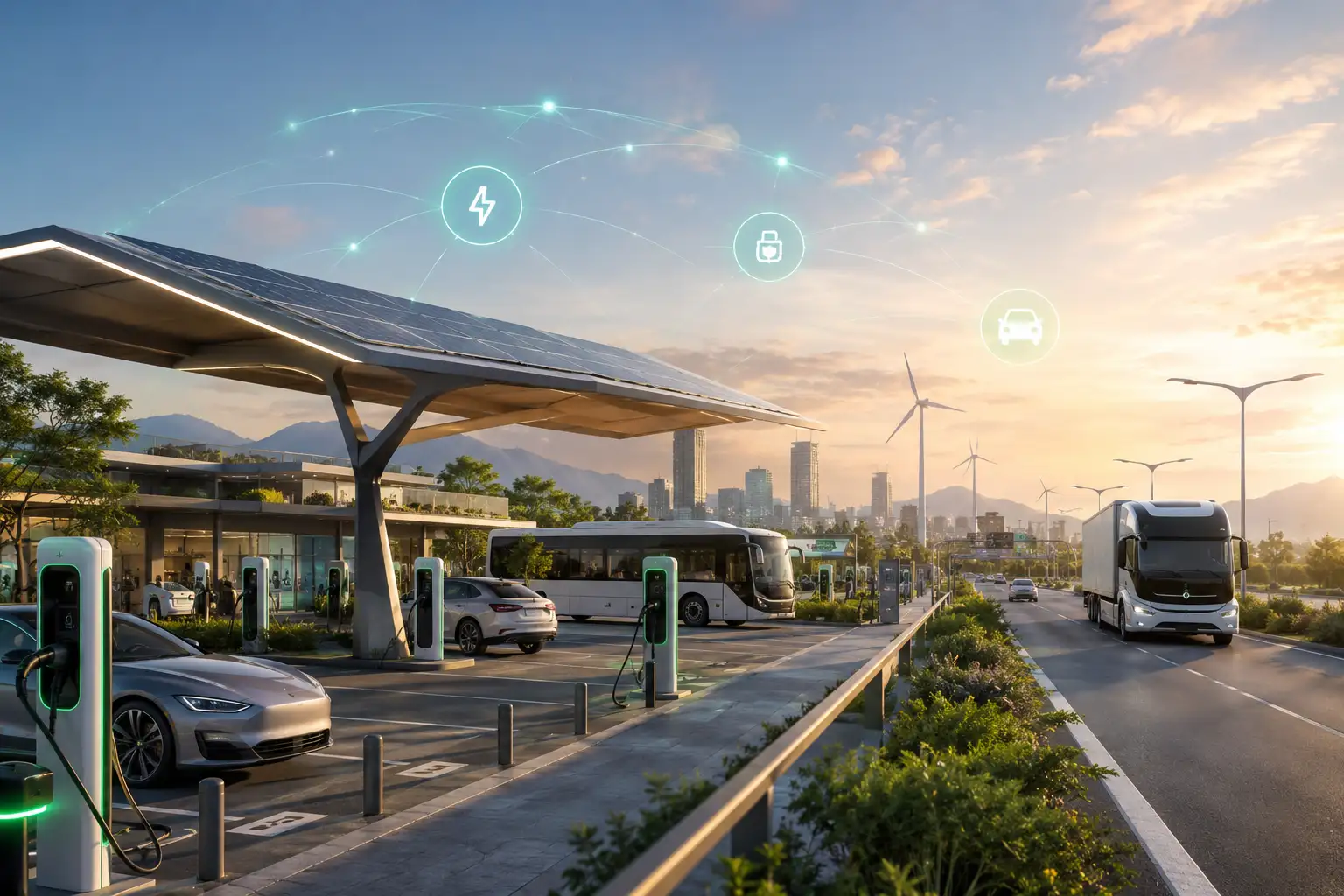
India’s EV future will not be built by simply installing thousands of disconnected chargers. It will require a connected, strategically planned and dependable charging ecosystem that works for drivers, businesses, fleets and property owners.
At The Sustainer Alliance, our vision is to be part of that transition by helping create the infrastructure required for India’s next generation of electric mobility.
The future of mobility is electric. The infrastructure needs to be ready for it.
from design to implementation.