
EV Charging at Wayside Amenities: Designing the Highway Stops of Tomorrow
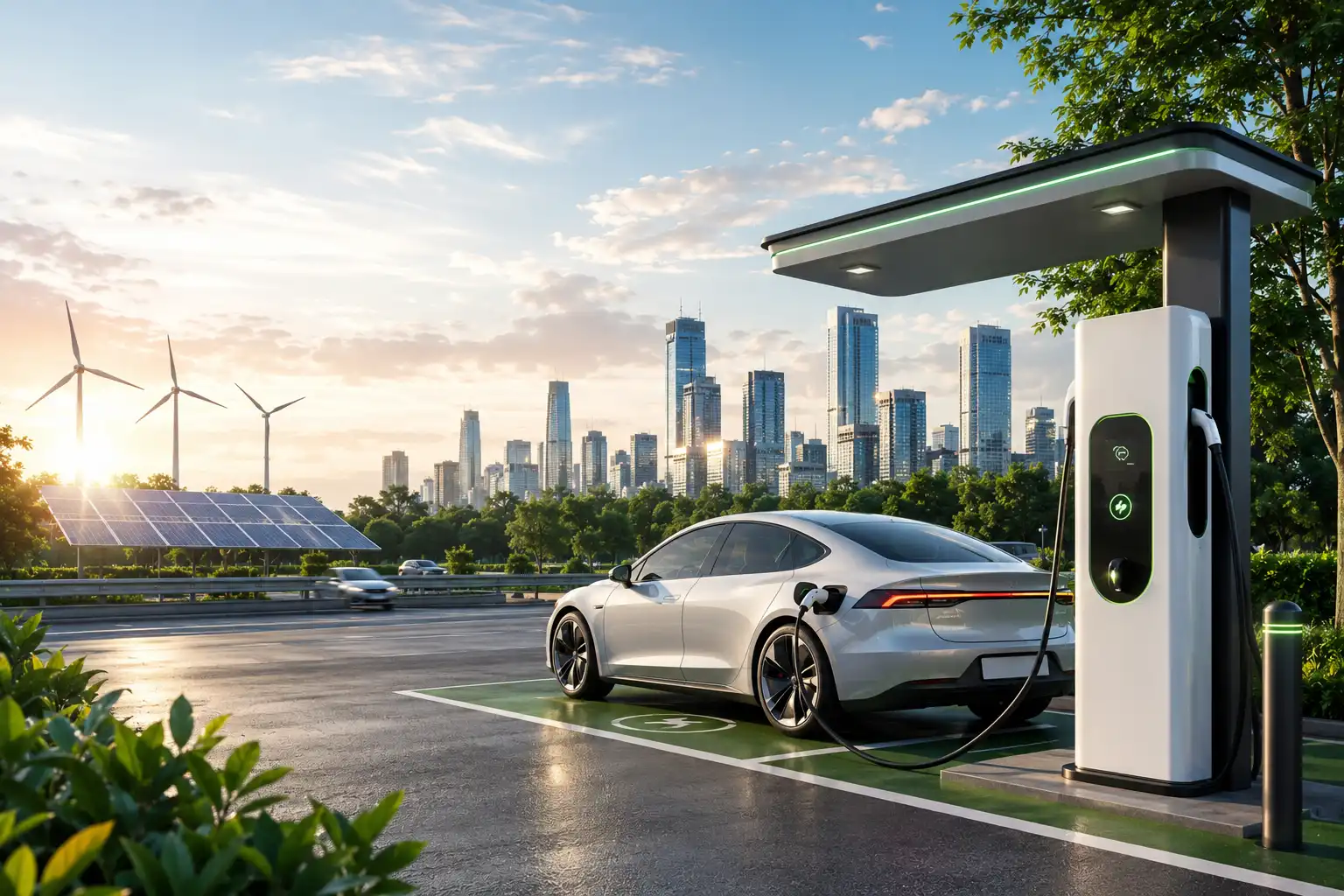
India’s highways are changing. As electric cars, buses and commercial vehicles become more common, the traditional highway stop will need to do more than provide fuel, food and parking. It will become an important part of the country’s electric mobility infrastructure.
For EV users, a highway stop is not simply a place to charge. It is a place to pause, refresh and continue the journey.
From Highway Stop to EV Destination
A successful EV charging location needs more than a charger. It needs the right combination of location, power availability, charging speed, parking, safety and amenities.
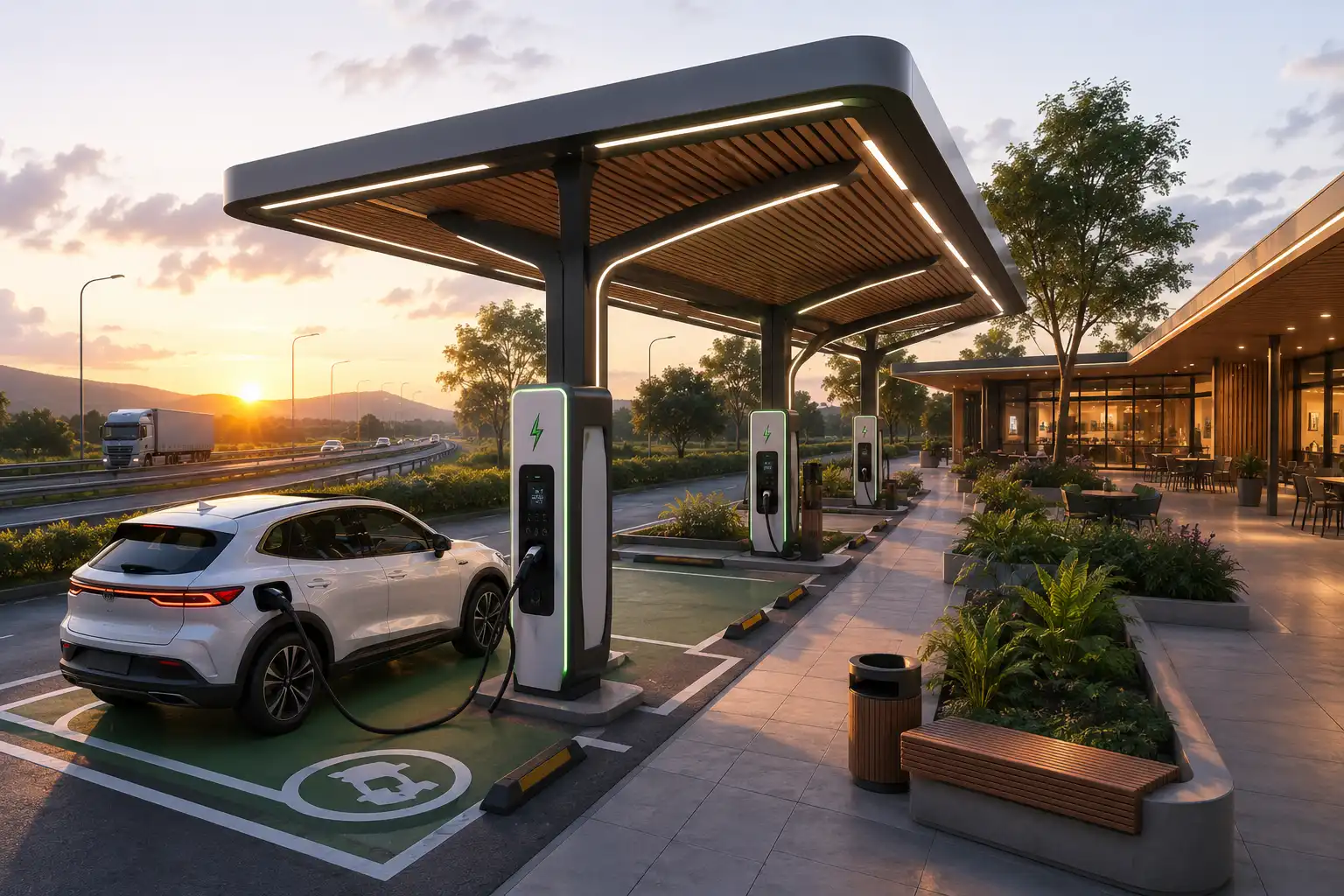
Imagine stopping on a highway and finding fast EV charging alongside a clean restaurant, washrooms, comfortable seating, retail facilities and safe parking. While the vehicle charges, passengers can take a break instead of simply waiting beside the charger.
This is where wayside amenities can become powerful EV destinations.
Location Matters More Than Ever
One of the biggest factors behind a successful charging station is its location.
Charging infrastructure should be planned around actual travel patterns, traffic volumes, EV adoption, nearby commercial activity and available electrical capacity. A high-powered charger placed in the wrong location can remain underutilised, while a strategically positioned charging hub can become a valuable stop for thousands of travellers.
At The Sustainer Alliance (TSA), this demand-centric approach is important when evaluating charging opportunities. The objective is to build infrastructure where EV users actually need it.
Charging for Different Types of Vehicles
The highway of tomorrow will not carry only private electric cars.
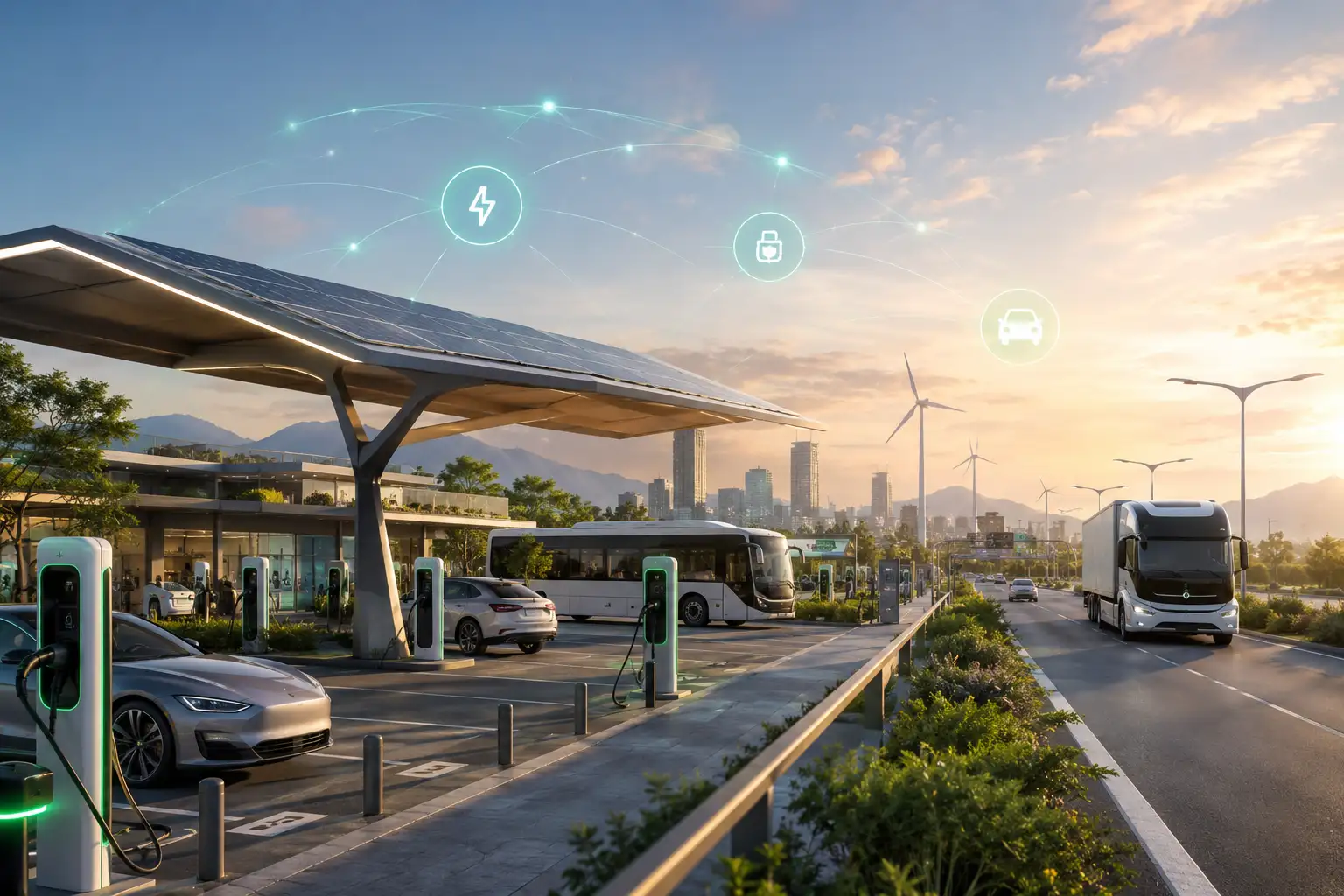
Electric buses, delivery vehicles, trucks and other commercial EVs will increasingly use major travel corridors. Each vehicle category has different charging requirements.
Passenger cars may need a quick top-up during a meal break, while commercial fleets require charging infrastructure designed around operational schedules and minimal downtime.
This means wayside charging hubs need to be scalable and flexible, rather than designed around a single vehicle type.
The Business Opportunity for Property Owners
For highway landowners, restaurants, hotels, fuel stations and existing wayside businesses, EV charging can create a new commercial opportunity.
Instead of treating charging as an additional facility, businesses can develop it as part of a larger destination.
An EV charging hub can potentially generate value through:
- Charging revenue
- Increased customer footfall
- Longer customer dwell time
- Food and beverage sales
- Retail activity
- Parking
- Hospitality services
- Fleet partnerships
The real opportunity is not just selling electricity. It is creating a destination where EV users have a reason to stop.
Building the Right Infrastructure
A reliable highway charging hub requires proper planning before installation begins.
This includes:
Site assessment → Demand mapping → Power planning → Civil & electrical design → Charger selection → Installation → Software integration → Operations & maintenance
Power availability is especially important for high-capacity DC charging. As charging demand grows, infrastructure should also be capable of expanding without requiring the entire site to be redesigned.
What Will the Highway Stop of Tomorrow Look Like?
The future highway stop could combine fast charging, food, rest, retail, hospitality and mobility services in one connected destination.
For EV drivers, this means charging becomes part of the journey rather than an interruption to it.
For businesses and landowners, it creates an opportunity to transform existing highway properties into strategically located EV mobility hubs.
And for India, it means developing the infrastructure required to support long-distance electric mobility at scale.
Building More Than Charging Stations
At TSA, we believe the future of EV infrastructure is not simply about installing more chargers.
It is about building the right charging ecosystem around the journey.
From site selection and demand assessment to engineering, charging infrastructure and long-term operations, TSA works towards creating reliable EV charging destinations designed for the evolving needs of India’s highways.
The highway is changing. The charging stop needs to change with it.
TSA — Beyond Chargers. Building the EV Ecosystem.